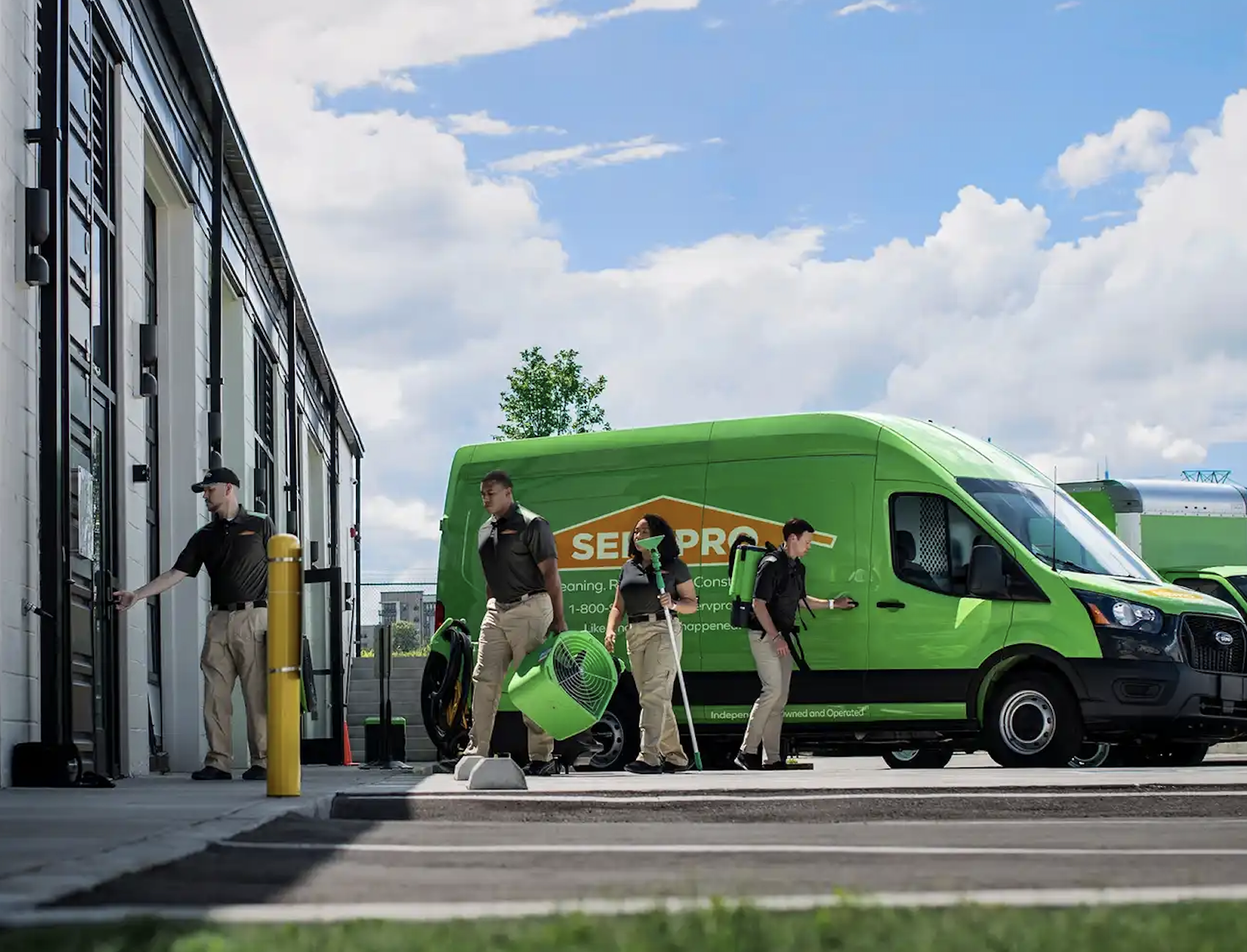
A fire can leave a home in chaos damage from smoke, soot, heat, and water can make the aftermath overwhelming. Even a small stovetop flare-up or electrical spark can cause wide-reaching destruction. For homeowners, knowing what to do next is critical. A structured plan provides clarity at a time when stress, emotion, and uncertainty are high.
This comprehensive checklist outlines the essential steps for navigating fire damage restoration safely, efficiently, and confidently. Whether you’ve experienced a minor incident or a major structural fire, these guidelines will help you move forward from the ashes.
1. Ensure Safety First
Before any recovery begins, safety must come first. Fire-damaged properties can hide numerous hazards unstable structures, electrical issues, smoke inhalation risks, and lingering hotspots.
Safety steps homeowners should take:
- Do not re-enter the property until the fire department declares it safe.
- Watch for weakened floors, ceilings, and roofing.
- Use protective gear if entering: gloves, boots, and an N95 mask.
- Avoid touching or moving items with soot contamination; oils from your skin can cause permanent damage.
If you are ever unsure, wait for a restoration professional. Fire scenes are unpredictable, and seemingly small hazards can cause major injuries.
2. Contact Your Insurance Company Immediately
After ensuring safety, begin the insurance process. Prompt reporting helps the claim move forward more smoothly.
Your first actions should be:
- Notify your insurance company of the fire.
- Request instructions for documentation.
- Ask if they require an adjuster on-site before cleanup begins.
- Keep copies of all receipts for lodging, clothing, meals, and emergency expenses.
Insurance claims can be complex, but thorough documentation speeds up approval and reimbursement.
3. Document the Damage Thoroughly
The more detailed your documentation, the stronger your insurance claim. Steps for accurate documentation:
- Take photos and videos of every room before moving anything.
- Capture close-ups of items with visible soot or water damage.
- List all damaged belongings room-by-room.
- Save damaged items in a safe location until the insurance adjuster reviews them.
Professional restoration teams can also provide written evaluations, moisture readings, and inventory lists to support your claim.
4. Secure the Property
After a fire, homes are often left exposed. Broken windows, compromised roofs, and damaged doors can invite weather, wildlife, or even intruders.
Essential steps to secure your home include:
- Board up windows and damaged doors.
- Tarp the roof if it has been compromised.
- Shut off utilities if not already done by first responders.
- Ensure exterior structures, sheds, or garages are also secured.
Restoration companies often provide emergency board-up and tarping services to protect the home immediately after a fire.
5. Start the Smoke and Soot Cleanup Process
Smoke and soot affect nearly every surface after a fire and they continue causing damage long after the flames are out.
Key reasons why soot cleanup must be immediate:
- Soot is acidic and causes permanent discoloration.
- Porous materials (drywall, wood, textiles) absorb smoke odors quickly.
- HVAC systems can spread soot throughout the home if not cleaned.
Professional soot removal includes:
- HEPA vacuuming to remove loose particles.
- Specialized chemical sponges for soot-stained surfaces.
- Air scrubbers to remove lingering smoke odors.
- Ozone or hydroxyl treatments for odor neutralization.
- Duct cleaning to stop odor circulation.
Attempting DIY soot cleanup often worsens the damage especially when using household cleaners.
6. Address Water Damage from Firefighting Efforts
Most homeowners don’t expect water damage after a fire, but it’s almost always present. Firefighters may use hundreds of gallons of water to extinguish a blaze, leaving behind soaked insulation, ceilings, walls, and flooring.
Water mitigation should begin immediately to prevent:
- Mold growth (within 24–48 hours)
- Structural deterioration
- Wood rot
- Damaged wiring and electrical systems
Professional water damage restoration includes water extraction, industrial drying equipment, moisture mapping, and controlled demolition if needed.
7. Remove Damaged Materials and Contents
Once soot and water concerns are addressed, the next step is removing materials that cannot be salvaged.
This may include:
- Drywall
- Insulation
- Damaged flooring
- Burned cabinetry
- Charred structural elements
- Severely smoke-damaged furniture or textiles
Professionals use a careful approach known as “pack-out services” where salvageable items are inventoried, cleaned, and restored off-site.
8. Deodorize and Deep Clean the Entire Home
Fire odors are among the hardest smells to eliminate. Smoke penetrates deep into materials, and traditional cleaning isn’t enough.
Comprehensive deodorization includes:
- Cleaning all surfaces with specialized agents
- Air purification
- HVAC cleaning
- Odor-eliminating treatments like ozone, thermal fogging, or hydroxyl systems This step restores indoor air quality and ensures the home is safe to inhabit.
9. Begin Structural Repairs and Reconstruction
The final stage of fire damage restoration is rebuilding. Depending on the severity, this may include:
- Replacing drywall and insulation
- Installing new flooring
- Repainting all affected areas
- Repairing or replacing structural framing
- Roofing repairs
- Restoring electrical and plumbing systems
Restoration professionals work to return the home to its pre-loss condition, often improving it in the process.
10. Final Inspection and Prevention Planning Before moving back in, ensure:
- All repairs meet local codes and safety standards
- HVAC systems run without circulating odors
- Air quality tests show safe levels
- Restoration is complete and documented for insurance records
Finally, consider long-term fire prevention enhancements such as updated smoke detectors, fire extinguishers, safer electrical upgrades, and creating a family evacuation plan.
From Disaster to Recovery
Fire damage is one of the most stressful events a homeowner can experience, but with the right checklist and a trusted restoration team, recovery is absolutely possible. As overwhelming as the aftermath may feel, each step you take brings you closer to restoring not just your property, but your sense of security and normalcy.
Contact SERVPRO Team Spinner today at (908) 520-2345 to schedule your services or Click Here to complete a form on our website.